The Elite Status Qualification Calendar: When Every Major Programme’s Clock Resets
When does each airline and hotel programme’s qualification year reset? A 2026 reference covering calendar-year, April–March, personal-perio…
Read article →Independent Miles Mosaic guide. No programme partnerships, no account linking, no scraped balances. Sources cited below; corrections welcomed.
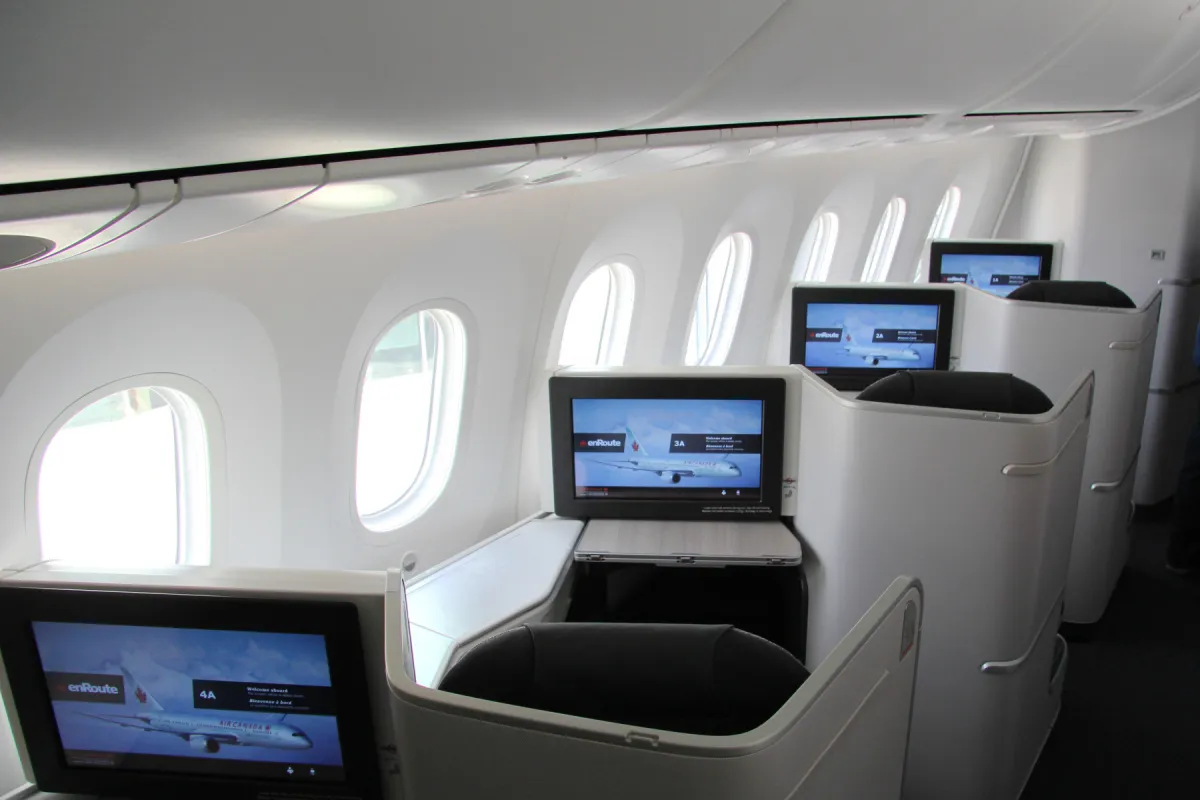
Air Canada Aeroplan 75K is where Aeroplan turns genuinely premium for committed customers. At 75,000 Status Qualifying Credits in a calendar year, under the revenue-based SQC framework adopted 1 January 2026, 75K sits between 50K and Super Elite (raised from 100K SQM to 125K SQC in the same overhaul). It is the cruising-altitude tier for regular Aeroplan flyers.
Chasing this status across other programmes too? Most frequent flyers hold status with more than one airline or hotel. See our guide to tracking and keeping elite status across every programme, then let Miles Mosaic forecast whether your booked trips will requalify you, with no loyalty password required.
The reading on 75K in 2026 is that it captures the right balance for serious Air Canada customers who do not need Super Elite's substantially higher structural commitment. The 5x Aeroplan points multiplier, the 20 eUpgrade allocation, the complimentary Preferred Seats on all fares and flights, and the upgrade-priority placement ahead of 50K members all compound across a year of trips. The 75K-to-Super-Elite gap widened materially under the new framework: the legacy 25,000-SQM gap from 75K to 100K Super Elite became a 50,000-SQC gap from 75K to 125K Super Elite, meaning 75K is now substantively further from the top of the ladder than it used to be. This guide covers what 75K delivers per the Aeroplan Elite Status tiers page, the new SQC qualification mechanics, and the practical paths to the line.
| Tier | Qualification threshold | Star Alliance equivalent | Tracker |
|---|---|---|---|
| Aeroplan 25K | 25,000 SQC | Star Alliance Silver | Read |
| Aeroplan 35K | 35,000 SQC | Star Alliance Silver | Read |
| Aeroplan 50K | 50,000 SQC | Star Alliance Gold | Read |
| Aeroplan 75K | 75,000 SQC | Star Alliance Gold | |
| Aeroplan Super Elite | 125,000 SQC | Star Alliance Gold | Read |
Aeroplan 75K earns at a 5x Aeroplan points multiplier on Air Canada flights, one full multiplier above 50K's 4x rate and the second-highest multiplier in the programme behind Super Elite's 6x. Across a heavy year of paid Air Canada flying, that uplift compounds into a substantial additional Aeroplan points balance, useful as feedstock for partner award redemptions across the Star Alliance partner network and the wider Aeroplan transfer-partner ecosystem.
The 75K eUpgrade allocation is 20 credits per status year, unchanged from the 2025 allotment and the highest eUpgrade allocation below Super Elite's 30. The 20-credit floor matters because 75K is the tier where members can realistically deploy upgrades across a full year of long-haul flying without rationing aggressively. Priority Rewards (50% off the points price of eligible flight rewards) are available as Milestone Benefits selections at every 10,000 SQC; at 75K, members crossing the 70,000, 80,000, and higher Milestone thresholds will see Priority Rewards in their selection menus. Importantly, Priority Rewards at 75K are valid worldwide in economy and premium economy, not yet in business class, which remains a Super Elite distinction.
The upgrade-priority placement at 75K is the operationally meaningful uplift over 50K. 75Ks sit above 50Ks on the complimentary upgrade list, which materially improves the clearance rate on competitive routes. On premium business markets where 50K clearance is moderate, 75K clearance is higher, though never guaranteed because of inventory constraints on peak demand and the upgrade-priority placement of Super Elite members above 75K.
The most underrated 75K benefit is the complimentary Preferred Seats entitlement: 75K members can book Preferred Seats (including bulkhead and exit-row equivalents) at any time on all flights and all fares except Basic Economy. At 50K the same benefit is restricted to flights within North America (with check-in selection elsewhere), so the 75K uplift expands Preferred Seat eligibility to the entire Air Canada network at booking. For travellers who care about specific seat selection on long-haul flights, this is a genuine and underappreciated benefit step.
Other 75K benefits carry forward from 50K: Star Alliance Gold alliance status with comprehensive partner lounge access, unlimited Maple Leaf Lounge access at Air Canada hubs, three complimentary checked bags at 32kg each, complimentary same-day standby and changes, priority handling at all Air Canada touchpoints, and priority phone-line access via the Aeroplan member-service channels. 75K members also retain Star Alliance Gold benefits across the alliance: lounge access at participating Star Alliance Gold lounges worldwide with one guest, Gold Track security access at selected airports, priority baggage handling, priority waitlisting, and extra baggage allowance.
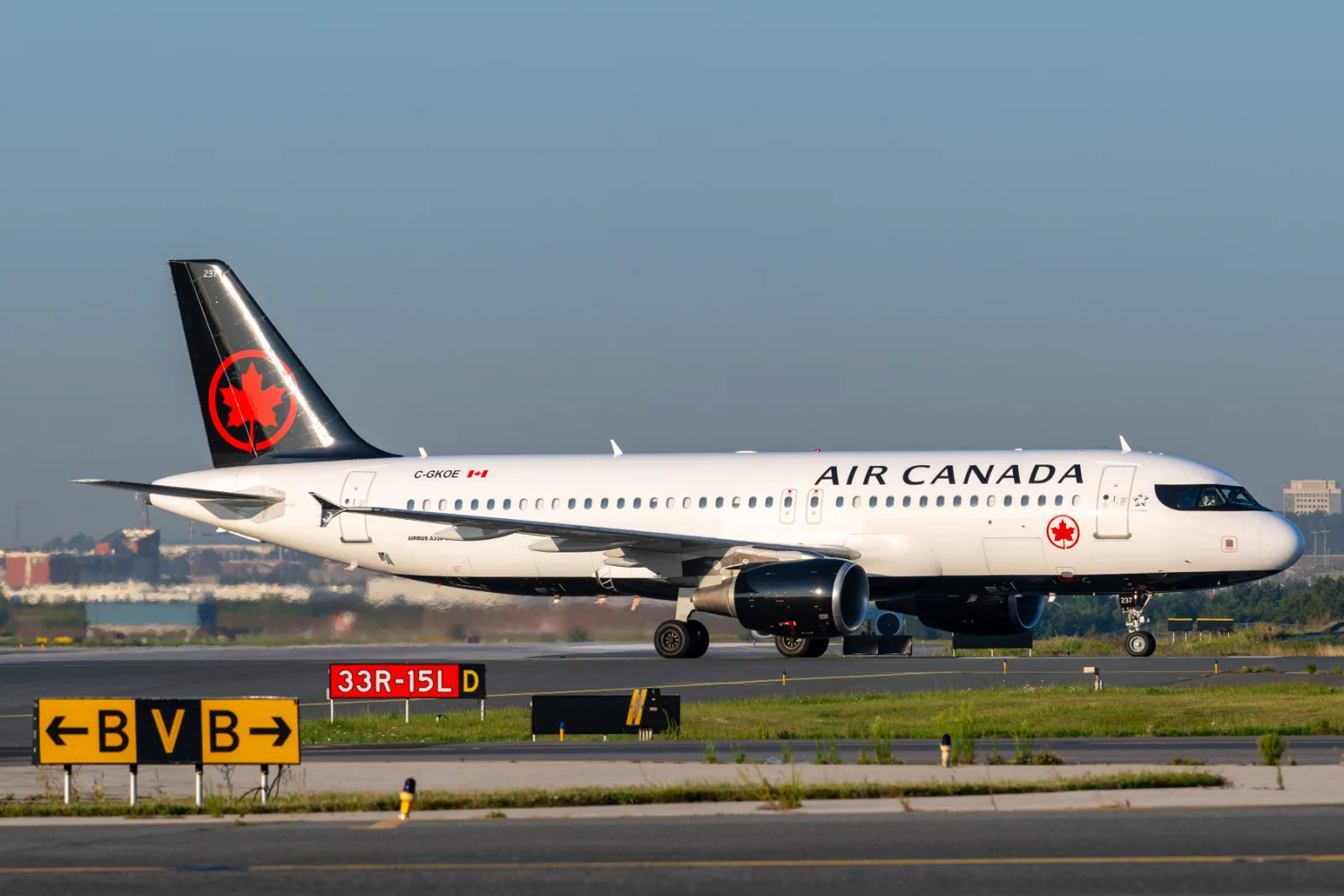
Aeroplan 75K requires 75,000 Status Qualifying Credits (SQC) in a calendar year. The legacy SQM/SQS/SQD framework was retired on 1 January 2026; the entire elite ladder now runs on the single SQC metric.
How SQC is earned on Air Canada. Standard fares earn 2 SQC per CAD$1; Flex, Comfort, Latitude, Premium Economy, and Signature Class earn 4 SQC per CAD$1; Basic Economy earns zero. To clear 75K from paid Air Canada flying alone requires roughly CAD$18,750 of Flex+ ticketing or CAD$37,500 of Standard ticketing.
How SQC is earned on Star Alliance partners. It depends on who issued the ticket. Star Alliance flights ticketed by Air Canada (ticket number starting 014) earn SQC from the fare, 2 per CAD$1 on Economy Standard fares and 4 per CAD$1 on Economy Flex fares and above, with no annual cap. On another airline's ticket they earn 1 SQC per 5 Aeroplan points earned, capped at 25,000 SQC annually across all partner activity, travel and everyday partners included. That cap binds only for 75K candidates who buy their partner flights from other airlines: fully saturating it contributes one-third of the SQC needed to clear 75K. Bought on Air Canada tickets, the same partner flying can carry a 75K run on its own, with no Air Canada metal required.
How SQC is earned via card spend. Premium Aeroplan cards earn 1,000 SQC per CAD$5,000 spent, capped at 25,000 SQC annually. The 75K candidate can use the full card SQC cap plus the full partner SQC cap (combined 50,000 SQC) and still need an additional 25,000 SQC from uncapped earning: Air Canada flights or Star Alliance flights ticketed by Air Canada (roughly CAD$6,250 of Flex+ ticketing or CAD$12,500 of Standard ticketing), or Air Canada Vacations packages. Pure card-fed 75K is structurally blocked.
The qualification year runs the calendar year. 75K status earned in 2026 is valid through the end of 2027.
| Metric | Aeroplan 75K requirement (2026 SQC framework) |
|---|---|
| SQC required | 75,000 |
| Earning on Standard fares | 2 SQC per CAD$1 of Air Canada-marketed ticket spend |
| Earning on Flex + higher fares | 4 SQC per CAD$1 (Flex, Comfort, Latitude, Premium Economy, Signature Class) |
| Star Alliance flights ticketed by Air Canada (014) | 2 SQC per CAD$1 on Economy Standard, 4 SQC per CAD$1 on Economy Flex and above; no cap |
| Star Alliance flights on another airline's ticket | 1 SQC per 5 Aeroplan points earned; capped at 25,000 SQC annually, shared with travel and everyday partners |
| Premium card earning | 1,000 SQC per CAD$5,000 spent; capped at 25,000 SQC annually |
| Spend equivalent (Flex+ fares) | ~CAD$18,750 on Air Canada Flex+ tickets to clear 75K from flying alone |
| Spend equivalent (Standard fares) | ~CAD$37,500 on Standard tickets to clear 75K from flying alone |
| eUpgrade allotment | 20 credits per status year (unchanged from 2025) |
| Aeroplan points multiplier | 5x base fares and surcharges on Air Canada flights |
| Qualification period | Calendar year (Jan–Dec) |
Three changes matter for 75K candidates. First, the eUpgrade allotment at 75K held steady at 20 credits while 25K was cut from 20 to 5 and 50K was cut from 20 to 15. The relative position of 75K's eUpgrade firepower improved against the lower tiers as a result, making the 75K eUpgrade-per-SQC ratio more favourable than it was in 2025.
Second, the path to Super Elite became substantially harder. The legacy SQM framework set Super Elite at 100,000 SQM, just 25,000 above 75K. The new SQC framework set Super Elite at 125,000 SQC, a full 50,000 above 75K. Travellers who used to consider 75K a natural waypoint to Super Elite now face double the marginal commitment to reach the top tier. Aeroplan's explicit intent was to make Super Elite more exclusive; the practical effect is that 75K is now a more durable destination tier rather than a halfway house.
Third, the partner and card SQC caps create a structural earning ceiling, but only the card one is unavoidable. A traveller whose flying mix tilts heavily toward Star Alliance partners, and who buys those tickets from the partner airlines, fills the 25,000 SQC partner cap within roughly seven to eleven long-haul business-class round-trips from North America, and from then on additional partner flying on those tickets earns Aeroplan points but no SQC. The same flights ticketed by Air Canada (ticket number starting 014) earn from the fare with no cap, so who issues the ticket matters as much as who operates the flight. Air Canada flights and Star Alliance flights on Air Canada tickets both earn SQC without limit, a structural advantage Aeroplan keeps for its own tickets and its own metal.
Your Air Canada Aeroplan forecast
Chasing or holding Aeroplan 75K? Enter what you have so far and see where you land. It runs in your browser; nothing is sent anywhere until you choose to save it.
Thresholds verified 2026-08-12. Source Qualification window: 1 January to 31 December.
Aeroplan 25K is also reachable without SQC: 100,000 Everyday Status Qualification points (EDQ) in a calendar year, at 1 EDQ for each eligible Aeroplan point earned with partners
Aeroplan 50K at 50,000 SQC is 25,000 SQC below 75K, and the benefit gap is meaningful but incremental rather than transformative. Both tiers carry Star Alliance Gold status (and the comprehensive partner lounge access framework), both get unlimited Maple Leaf Lounge access at Air Canada hubs, both get three complimentary checked bags at 32kg. The 75K uplift over 50K is concentrated in the higher Aeroplan earning multiplier (5x vs 4x), the larger eUpgrade allotment (20 vs 15), the broader complimentary Preferred Seats entitlement (any time on all flights and all fares except Basic Economy, versus 50K's North America-only any-time entitlement), and the better upgrade priority on Air Canada flights.
Above 75K, Aeroplan Super Elite at 125,000 SQC is the largest single-tier qualification jump in the Aeroplan ladder, and substantially larger under the new SQC framework than the legacy 100K SQM threshold. Super Elite adds the highest Aeroplan earning bonus (6x base fares and surcharges), the maximum eUpgrade allotment (30 credits annually, up from 20 under the legacy programme), the eUpgrade Nominee programme (one designated friend or family member who can use the Super Elite's eUpgrades without the account holder being on the booking), Air Canada Concierge service, complimentary Preferred Seats on all fares including Basic Economy, complimentary changes and cancellations on most fares, complimentary beverage and snack service in Air Canada Economy, the Maple Leaf Lounge Arrivals Lounge access at London Heathrow, and the top of the upgrade-priority queue. The 50,000-SQC gap from 75K to Super Elite is substantial, Super Elite is reached by a small percentage of Air Canada customers and represents structural commitment well beyond what 75K requires. Approximate spend equivalents for Super Elite: roughly CAD$31,250 of Flex+ Air Canada flying or CAD$62,500 of Standard fare flying.
For travellers averaging 75,000-110,000 SQC a year naturally, 75K is the rational cruising-altitude tier. The benefits over 50K are real, the qualification gap is achievable for committed Air Canada flyers, and the 20 eUpgrade allotment plus 5x earning multiplier deliver meaningful annual value. For travellers consistently clearing 125,000+ SQC naturally, the Super Elite path becomes the structural goal.
Take a Toronto-based investment banker whose 2026 work travel includes weekly Air Canada Signature Class round-trips between Toronto and U.S. East Coast cities averaging CAD$1,400 per round-trip (forty-eight trips × CAD$1,400 × 4 SQC = 268,800 SQC from paid Air Canada flying alone). The total is roughly 269,000 SQC, far past Super Elite's 125,000-SQC threshold and into the Milestone selection territory above the published ladder.
For a less-intensive flying pattern: a Vancouver-based corporate executive who flies bi-weekly Air Canada Signature Class round-trips between Vancouver and U.S. West Coast cities at CAD$1,200 average (26 trips × CAD$1,200 × 4 SQC = 124,800 SQC), plus two long-haul Signature Class round-trips to Europe at CAD$5,500 each (CAD$11,000 × 4 SQC = 44,000 SQC). The combined paid Air Canada total reaches roughly 168,800 SQC, past 75K, past 125K Super Elite, with margin. Drop the bi-weekly cadence to monthly (12 × CAD$1,200 × 4 = 57,600 SQC) plus the long-haul trips (44,000 SQC), and the same itinerary lands at 101,600 SQC, clearing 75K with substantial margin but short of Super Elite. The structural insight: high-paid-fare Air Canada flyers reach 75K easily; the question for those flyers is whether to push the additional 50,000-SQC distance to Super Elite or settle comfortably at 75K.
The closest Star Alliance comparators are United MileagePlus Premier Platinum and Lufthansa Miles & More Senator, both of which confer Star Alliance Gold. United Premier Platinum requires 45 Premier Qualifying Flights (PQF) and 15,000 Premier Qualifying Points (PQP), or 18,000 PQP alone, in a calendar year, and both paths also need at least four paid flights operated by United or United Express. Tickets issued by United earn 1 PQP per US dollar of base fare and carrier-imposed surcharges on their eligible flights, so the PQP-only path means about US$18,000 of those fares. Primary cardmembers on eligible United Chase cards earn 1 PQP per US$20 of spend (US$15 on the United Club Infinite and United Club Business cards), so card spend alone would take at least US$270,000 to supply those 18,000 PQP. Lufthansa Senator requires 2,000 Points and 1,000 Qualifying Points within a calendar year, with the Qualifying Points earned only on Lufthansa Group and co-issuing partner flights: about five long-haul Business Class round-trips on those airlines, or around 100 short-haul Economy segments.
Measured in fares alone, United Premier Platinum and Aeroplan 75K are closer than they first look: earned entirely from eligible flights on United-issued tickets, Premier Platinum takes about US$15,000 of base fare and carrier-imposed surcharges with 45 PQF, or US$18,000 on the PQP-only path, while 75K takes roughly CAD$18,750 of Flex and higher Air Canada fares or CAD$37,500 of Standard fares, so which costs less depends on the fares you buy and the exchange rate. Premier Platinum also comes with complimentary Marriott Bonvoy Gold Elite status. Lufthansa Senator delivers a richer Senator-tier lounge network (the Senator Lounges at Frankfurt are unmatched in the alliance), but its Qualifying Points count only on Lufthansa Group and co-issuing partner flights. Aeroplan 75K is structurally better-aligned with Canadian-anchored travel patterns than a Lufthansa Group programme.
The Aeroplan 75K case rests on two factors competing programmes don't fully match: the 5x Aeroplan points multiplier on a programme whose award chart still publishes some of the best Star Alliance partner redemption pricing in the industry (Aeroplan partner long-haul economy is now 70,000 points one-way after the June 2026 chart refresh; partner business class to Europe is 60,000-70,000 points one-way), and the unlimited Maple Leaf Lounge access network at Canadian hubs. For U.S.-anchored travellers who fly mostly on United, Premier Platinum is the more natural target; for European Lufthansa Group regulars, Senator's deeper Lufthansa-specific perks justify concentrating flying on the Lufthansa Group; for Canadian-anchored travellers with substantial annual Air Canada flying, 75K is the structurally correct choice.
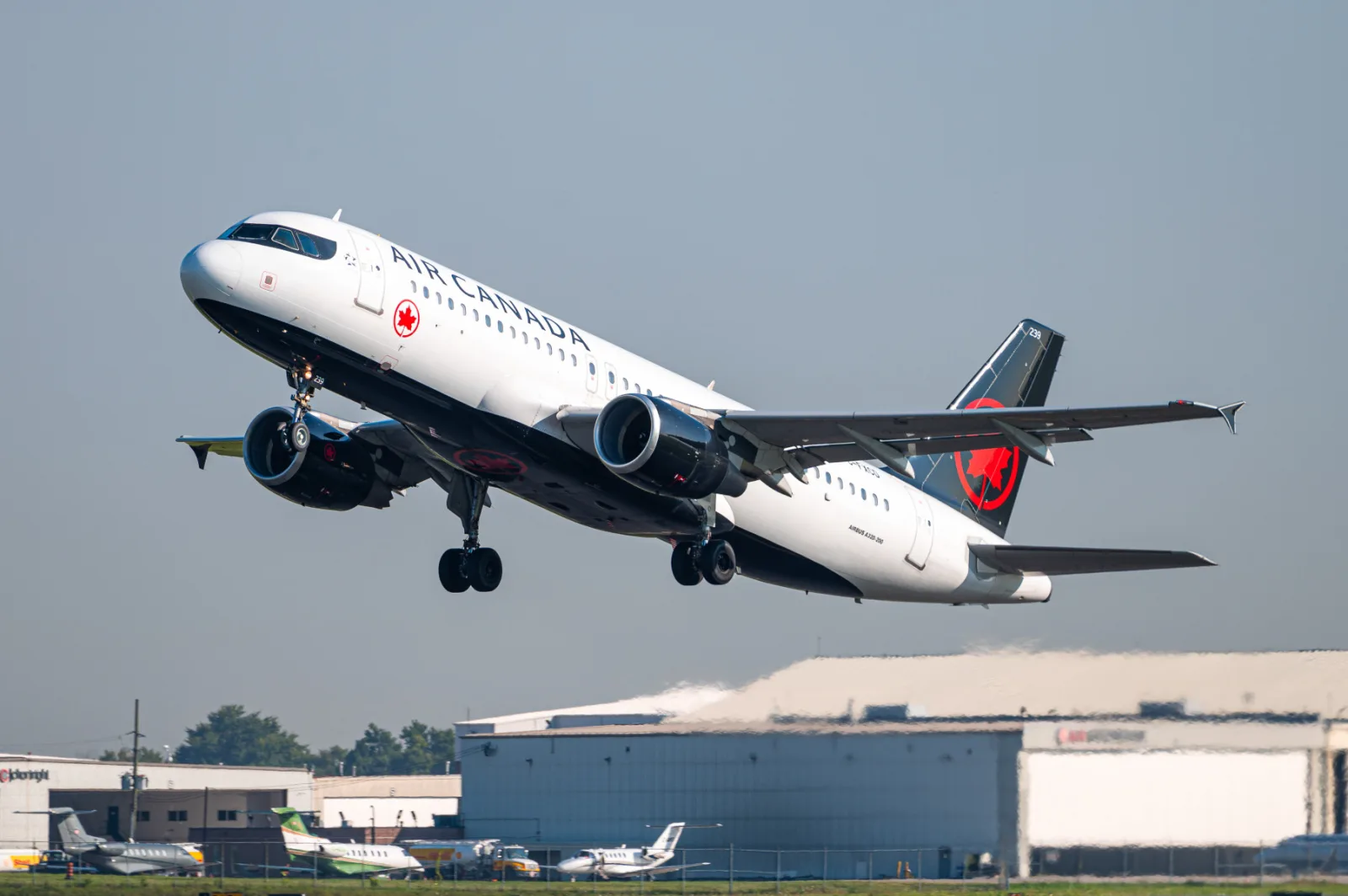
The 2026 framework's Milestone Benefits structure unlocks selectable rewards at every 10,000 SQC. For 75K members, that means seven distinct Milestone selection events between qualification and 70,000 SQC, plus additional Milestones at 80,000 and higher SQC if flying exceeds the tier threshold.
At each Milestone, the typical menu includes additional eUpgrade credits, Priority Rewards (50% off the points price of an eligible flight reward), Maple Leaf Lounge passes for guests, bonus Aeroplan points, hotel and car rental discounts on Aeroplan redemptions, status passes for sharing benefits, bonus SQC (accelerating progression toward Super Elite), and Air Canada gift cards.
For 75K members, the strategic Milestone selection priorities differ from 50K members because 75K eUpgrades are already at the 20-credit base allotment. The marginal eUpgrade selection delivers less utility per Milestone for 75K members than it does for 50K members starting from a 15-credit base. Instead, the typical 75K optimisation pattern emphasises Priority Rewards (whose 50% point discount on long-haul partner redemptions can save 35,000-50,000 Aeroplan points per ticket), bonus SQC selections for 75K candidates eyeing Super Elite (bonus SQC accelerates the runway to the higher tier), and Maple Leaf Lounge passes for members whose families fly through Canadian hubs without their own elite status.
The published Aeroplan guidance on Milestone Benefits details the selection menu, timing, and which selections are eligible at which thresholds.
Three 75K surprises catch returning Aeroplan members. The first is the Super Elite threshold change. The legacy Super Elite at 100,000 SQM was reasonably reachable for any 75K member willing to push the additional 25,000-SQM distance, often one or two more Signature Class round-trips. The new Super Elite at 125,000 SQC requires roughly twice the marginal SQC commitment to bridge the 75K-to-Super-Elite gap. Members who used to consider Super Elite a stretch goal now face a substantially harder push, and the rational 75K stopping point is much more clearly the right answer for most flyers.
The second is the partner and card SQC cap structure. Under the legacy SQM framework, partner flying and card spend contributed in different ways to a combination of SQM, SQS, and SQD requirements; under SQC, card spend and capped partner activity hit a hard 25,000 SQC annual limit each. The partner cap covers travel and everyday partners as well as Star Alliance flights on other airlines' tickets; Star Alliance flights ticketed by Air Canada (ticket number starting 014) sit outside it and earn from the fare. A 75K candidate who saturates both caps (50,000 combined) still needs another 25,000 SQC from uncapped earning: Air Canada flights, Star Alliance flights on Air Canada tickets, or Air Canada Vacations packages. Travellers whose Aeroplan flying skews heavily toward partner airlines will find 75K materially harder to reach under SQC than they did under SQM if they keep buying those tickets from the partners rather than from Air Canada.
The third is the upgrade-priority placement question on competitive routes. 75K sits above 50K but below Super Elite in the upgrade queue. On peak Air Canada routes during peak windows the upgrade competition from Super Elite members can be substantial, with 75K complimentary upgrade clearance rates remaining moderate. The structural benefit is the queue position rather than the upgrade itself; the reliable upgrade currency at 75K is the 20 eUpgrade credits plus Priority Rewards selections, deployed strategically on routes where the cash differential between Premium Economy and Signature Class is largest.
Aeroplan 75K is the Air Canada tier where committed Aeroplan customers receive premium recognition without the materially higher structural commitment that Super Elite's 125,000-SQC threshold now demands. The 5x Aeroplan points multiplier, the 20 eUpgrade allotment, the complimentary Preferred Seats across all flights and fares, and the upgrade-priority placement ahead of 50K members compound across a year of trips into a noticeably better travel experience. The 75,000-SQC threshold under the 2026 revenue-based framework is achievable for serious Air Canada flyers with roughly CAD$18,750 of Flex+ flying or equivalent mixed Air Canada, partner, and premium-card combinations. The benefits over 50K are real if incremental; the real story is that Super Elite became substantially harder to reach in 2026, which makes 75K a more durable destination tier rather than the natural waypoint it used to be. For travellers whose Air Canada flying naturally clears 75K, the cruising-altitude case is strong; for travellers consistently clearing 125,000+ SQC, Super Elite captures the maximum recognition. Track your SQC toward 75K and Super Elite free with Miles Mosaic.
Programme rules verified against the official sources below. External sites open in a new tab.
See your requalification forecast in under a minute. No account, and never a loyalty password.
Forecast my status, free →Share
Last reviewed: · How we research and update
When does each airline and hotel programme’s qualification year reset? A 2026 reference covering calendar-year, April–March, personal-perio…
Read article →Air Canada Aeroplan 50K in 2026: 50,000 SQC qualification, Star Alliance Gold, and Maple Leaf Lounge access at AC hubs.
Read article →Air Canada Aeroplan Super Elite in 2026: 125,000 SQC qualification, 6x earning, 30 eUpgrades, Concierge. Track free with Miles Mosaic.
Read article →Star Alliance in 2026: the 26-airline roster, falling to 25 when Asiana leaves in December, Gold benefits, and the best programmes to hold.
Read article →